

Single origin coffee is defined as coffee beans sourced exclusively from one specific geographic location, whether a country, region, farm, or individual harvest lot. That geographic focus creates a direct link between the cup in your hand and the soil, altitude, and hands that produced it. Clay Parker, SVP at Westrock Coffee, describes single origin as being about connection and transparency, inviting consumers to explore coffee seasonally, much like high-quality produce. The result is a category where flavor tells a story, and traceability is the point.
What is single origin coffee and how is it defined?
Single origin coffee means the beans come from one traceable source. That source can be as broad as an entire country or as narrow as a single farm lot harvested in one season. The label signals geographic integrity, not a specific roast style or quality grade.
Traceability in single origin coffee gives you transparency about the producer, the region, and often the price paid along the supply chain. That level of detail matters to roasters and coffee lovers alike because it builds trust and accountability from farm to cup. Roasters like Counter Culture Coffee have built their entire sourcing model around this kind of documented transparency.
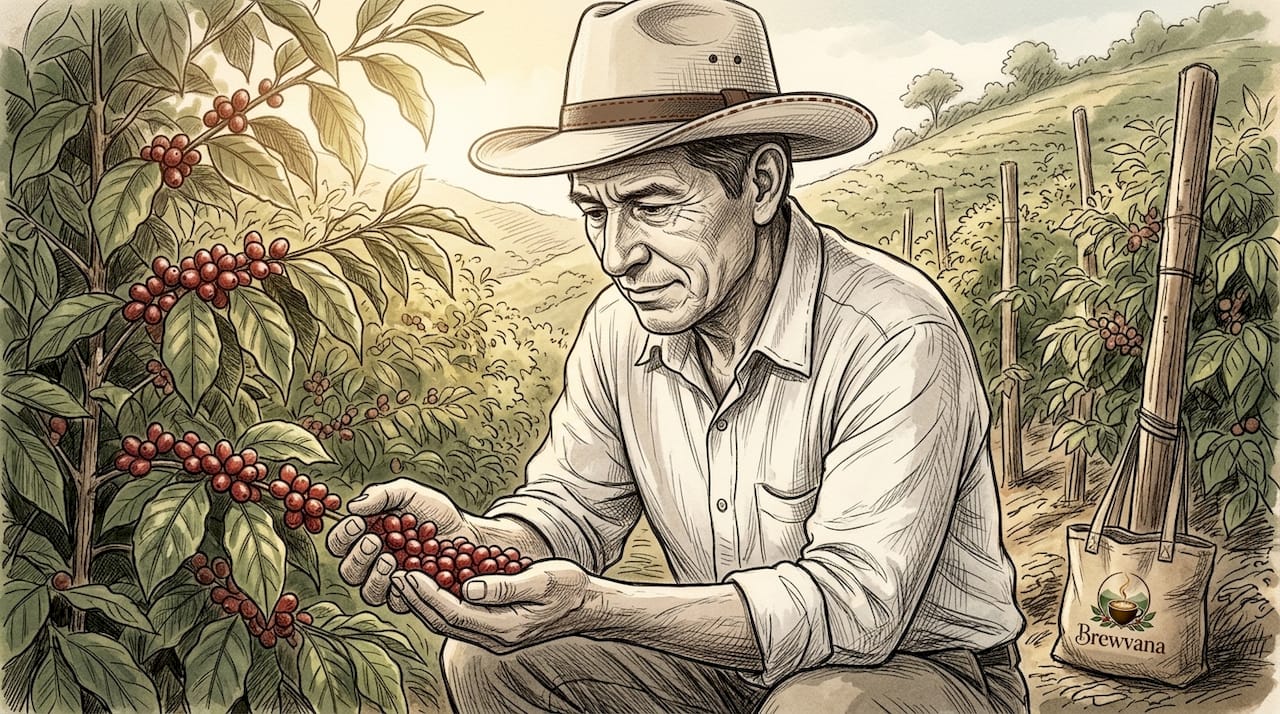
Single origin coffee also tends to earn a specialty coffee designation more often than commodity coffee, because maintaining consistent quality through careful processing and sourcing is part of what makes the label meaningful. The Specialty Coffee Association defines specialty grade as scoring 80 or above on a 100-point cupping scale.
What types of single origin coffee exist?
A single origin label can indicate four distinct levels of specificity, each with different implications for flavor consistency and traceability.
| Level | What it means | Flavor consistency |
|---|---|---|
| Single country | All beans from one nation (e.g., Colombia) | Broad, variable |
| Single region | Beans from one growing zone (e.g., Colombian Huila) | More consistent |
| Single estate | Beans from one farm or cooperative | High |
| Single lot | One specific harvest batch from one farm | Very high |
The narrower the origin, the more predictable and distinctive the flavor. A single lot from a specific farm in Ethiopia’s Yirgacheffe region will taste noticeably different from a generic “Ethiopian” label, even if both are technically single origin.
How altitude, processing, and varietal shape flavor
Flavor in single origin coffee is shaped by three primary factors: growing altitude, processing method, and coffee varietal. Ethiopian Yirgacheffe, grown at high altitude with washed processing, produces bright floral and citrus notes. Colombian Huila, also high-altitude but often naturally processed, delivers a balanced, caramel-forward cup.
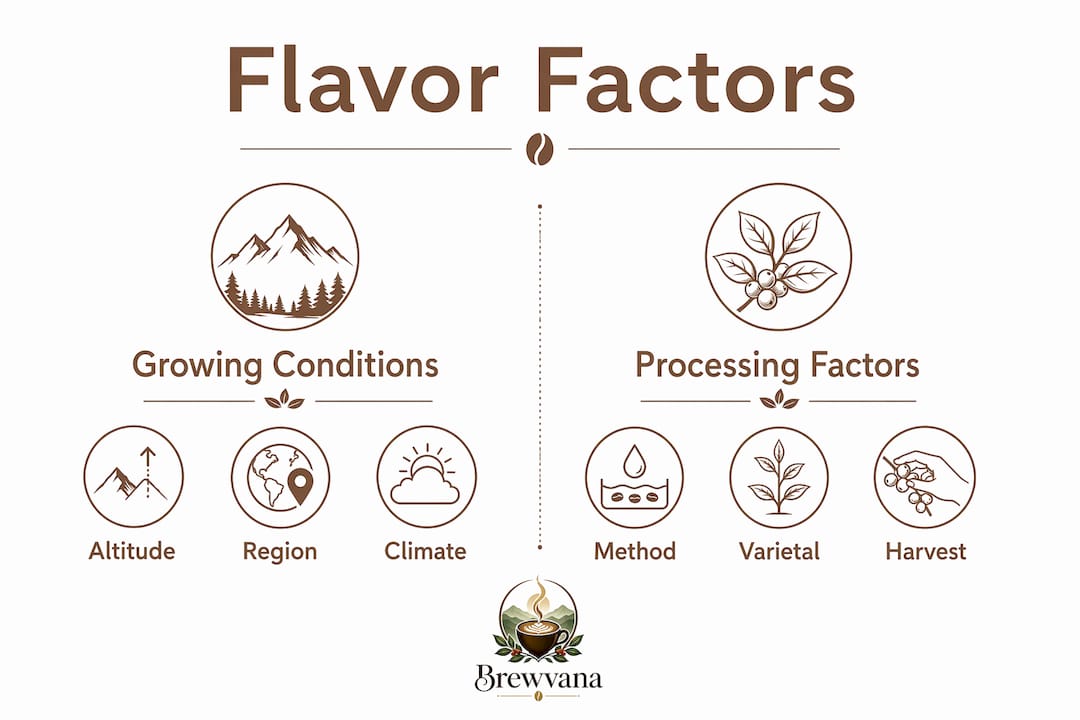
Altitude matters because cooler temperatures slow bean development, concentrating sugars and acids. Processing method determines how much fruit contact the bean has before drying. Washed coffees taste cleaner and brighter. Natural process coffees taste fuller and fruitier. You can read more about how processing methods affect flavor to understand why two coffees from the same country can taste completely different.
Pro Tip: When reading a single origin label, look for all three details: origin region, processing method, and varietal. A bag that lists only “Ethiopia” tells you far less than one that says “Ethiopia Yirgacheffe, washed, Heirloom varietal.”
Single origin vs blended coffee: which is better?
Neither is objectively better. They serve different purposes, and the best coffee lovers keep both in their rotation.
Coffee blends combine beans from multiple origins to achieve a balanced, consistent flavor profile that no single origin can always guarantee. Blends work especially well for espresso and milk-based drinks because the roaster can engineer body, sweetness, and crema stability across every bag. You can explore Brewvana’s coffee blend options to see how multi-origin sourcing creates different flavor outcomes.
Single origin coffees, by contrast, highlight what makes a specific place unique. That distinctiveness is a feature, not a flaw. But it also means the flavor changes with each harvest season, which surprises coffee lovers who expect consistency year over year.
| Characteristic | Single origin | Blend |
|---|---|---|
| Traceability | High, specific to one source | Low, multiple origins combined |
| Flavor consistency | Varies by season and harvest | Engineered for consistency |
| Best brewing method | Pour-over, drip, AeroPress | Espresso, milk drinks |
| Flavor profile | Distinctive, terroir-driven | Balanced, predictable |
| Price | Often higher for specialty lots | Generally more accessible |
One underappreciated fact: blends can sometimes score higher on professional cupping forms than single origin coffees. A skilled roaster blending a washed Ethiopian with a natural Brazilian can create a cup that outperforms either bean alone. Single origin is not a synonym for superior quality. It is a sourcing category with its own strengths and limitations.
What affects the quality and price of single origin coffee?
Single origin status signals where a coffee came from. It does not guarantee how good it tastes. Quality is determined by a separate set of factors.
The most reliable quality indicators are cupping scores and competition results. The Cup of Excellence is the most respected competition in specialty coffee, awarding top-scoring lots from countries like Brazil, Ethiopia, and Guatemala. Auction-grade lots from Cup of Excellence competitions can fetch prices up to $5,000 per pound of green coffee. That price reflects documented quality, extreme traceability, and limited supply, not just the single origin label itself.
Altitude and drying duration are also strong quality signals. Beans grown at 1,500–2,400 meters and dried for 14–25 days under controlled conditions develop more complex flavor compounds. Understanding how altitude shapes flavor helps you read a coffee’s potential before you even open the bag.
Key factors that drive single origin coffee quality and price:
- Cupping score: Specialty grade starts at 80 points. Scores above 90 indicate exceptional quality.
- Competition awards: Cup of Excellence winners carry verified quality documentation.
- Altitude: Higher growing elevations generally produce denser, more complex beans.
- Processing method: Controlled natural or washed processing adds to labor cost and flavor clarity.
- Lot size: Smaller, more specific lots cost more because supply is limited.
- Harvest year: Single origin coffees are seasonal. Older crop loses vibrancy.
Pro Tip: Check the roast date, not just the origin. A single origin coffee roasted more than six weeks ago will taste flat regardless of how impressive its origin story is.
How to choose, taste, and brew single origin coffee
Choosing a single origin coffee starts with reading the label carefully. Look for the region, not just the country. Look for the processing method and, when listed, the varietal. These three details tell you more about what the coffee will taste like than any marketing copy on the front of the bag.
- Read the label for specifics. Country alone is not enough. Seek out region, processing method, and varietal for a complete picture.
- Start with a cupping session at home. Cupping is the industry standard for evaluating coffee flavor. Brew a small amount without milk or sugar, let it cool slightly, and taste it in stages as it moves from hot to warm to room temperature. Brewvana’s home cupping guide walks you through the process step by step.
- Choose the right brewing method. Pour-over and drip brewing highlight single origin coffees’ unique flavor profiles better than espresso or milk drinks. AeroPress also works well for clean, clear extraction. Espresso tends to flatten the nuanced notes that make single origin interesting.
- Build a tasting ritual. Tasting the same coffee across multiple days, at different temperatures, reveals layers you miss in a single cup. Brewvana’s guide to building a tasting ritual gives you a practical framework for developing your palate.
- Rotate seasonally. Single origin coffees reflect harvest cycles. Ethiopian coffees typically arrive in the fall and winter. Central American lots peak in spring. Rotating your selection with the seasons keeps your cup fresh and your palate curious.
Pro Tip: Rotate your single origin coffees with the harvest calendar. Flavors vary significantly by crop year, so a coffee you loved last spring may taste different this year. That variation is the point, not a problem.
Key takeaways
Single origin coffee is defined by traceable geographic sourcing, and its quality depends on altitude, processing, and competition scores, not the label alone.
| Point | Details |
|---|---|
| Single origin meaning | Beans come from one country, region, farm, or lot with full traceability. |
| Flavor is origin-driven | Altitude, processing method, and varietal shape every cup’s taste profile. |
| Not always better than blends | Blends can outscore single origins; each serves different brewing purposes. |
| Quality needs verification | Look for cupping scores and Cup of Excellence awards, not just origin claims. |
| Brew method matters | Pour-over and drip brewing reveal single origin flavors better than espresso. |
Brewvana’s take on single origin coffee
The most common mistake coffee lovers make with single origin is treating it as a quality guarantee. It is not. It is a sourcing category. A poorly processed single lot from a famous region can taste worse than a well-crafted blend from a skilled roaster. The label tells you where the coffee came from. Your palate tells you whether it was worth it.
What single origin does exceptionally well is create a reason to pay attention. When you know a coffee came from a specific farm in Costa Rica’s Tarrazú region, harvested in a specific season, you start tasting with more intention. You notice the brightness. You notice the finish. That attention is what separates a good coffee experience from a great one.
At Brewvana, we have found that the coffee lovers who get the most out of single origin are the ones who treat it like seasonal produce. They do not expect the same Ethiopian natural to taste identical every year. They expect it to be interesting, and they are right. The variation is the story.
The practical advice: keep a blend in your rotation for espresso and mornings when you want consistency. Reserve your single origins for slow pour-overs and moments when you want to actually taste where your coffee came from. That balance makes both categories better.
— Brewvana
Brewvana’s single origin coffee collection
Brewvana sources single origin coffees from regions with documented growing conditions and clear traceability.
The current collection includes Ethiopia Natural Process, a naturally processed coffee with fruit-forward notes that showcase what high-altitude African growing does at its best. Costa Rica Single Origin delivers the clean, balanced profile that Tarrazú is known for. Peru Single Origin rounds out the lineup with a smooth, chocolatey cup from high-altitude Andean farms. All Brewvana coffees are roasted to order, so the flavor you read about on the label is the flavor you actually taste. Browse the full single origin collection to find your next favorite brew.
FAQ
What does single origin coffee mean?
Single origin coffee means the beans come from one specific geographic source, such as a country, region, farm, or harvest lot. The label guarantees traceability but does not automatically indicate higher quality than a blend.
Is single origin coffee better than blended coffee?
Not always. Blends can score higher on professional cupping evaluations than single origin coffees. Single origin excels at showcasing regional character, while blends deliver consistency and balance, especially for espresso.
What are the best brewing methods for single origin coffee?
Pour-over, drip, and AeroPress are the best methods for single origin coffee. These clean extraction techniques highlight the nuanced floral, fruity, or balanced notes that define each origin.
Why is single origin coffee more expensive?
Price reflects traceability, limited lot size, altitude, and processing labor. Competition-winning lots from events like the Cup of Excellence can reach $5,000 per pound of green coffee because supply is extremely limited and quality is documented.
How do I identify quality single origin coffee?
Look for a specific region (not just a country), a named processing method, and a cupping score above 80. A roast date within the last six weeks is equally important because freshness determines how well those origin flavors actually come through in the cup.