

A seasonal coffee collection is a curated set of coffee beans or blends selected and roasted to showcase flavors that naturally emerge from specific harvest periods throughout the year. Unlike everyday house blends, these collections rotate based on real agricultural cycles, not marketing calendars. Coffee is considered in-season when roasted and sold shortly after harvest, capturing peak tasting notes before they fade. Brewvana builds its seasonal offerings around this principle, sourcing beans at their freshest and roasting to order so you get the cup at its best.
What is a seasonal coffee collection, and how does it work?
A seasonal coffee collection works by following the global coffee harvest calendar. Coffee-growing regions around the world harvest at different times of year. Central America peaks between november and february, East Africa between october and january, and South America between april and august. Roasters track these windows and source beans immediately after harvest, when sugars, acids, and aromatic compounds are at their highest concentration.
The industry term for this practice is crop seasonality, and it drives every decision in a quality seasonal collection. Roast date, origin, and processing method all signal whether a coffee is genuinely seasonal or simply labeled that way. A fresh roast date within two to four weeks of purchase is the clearest sign of authenticity.
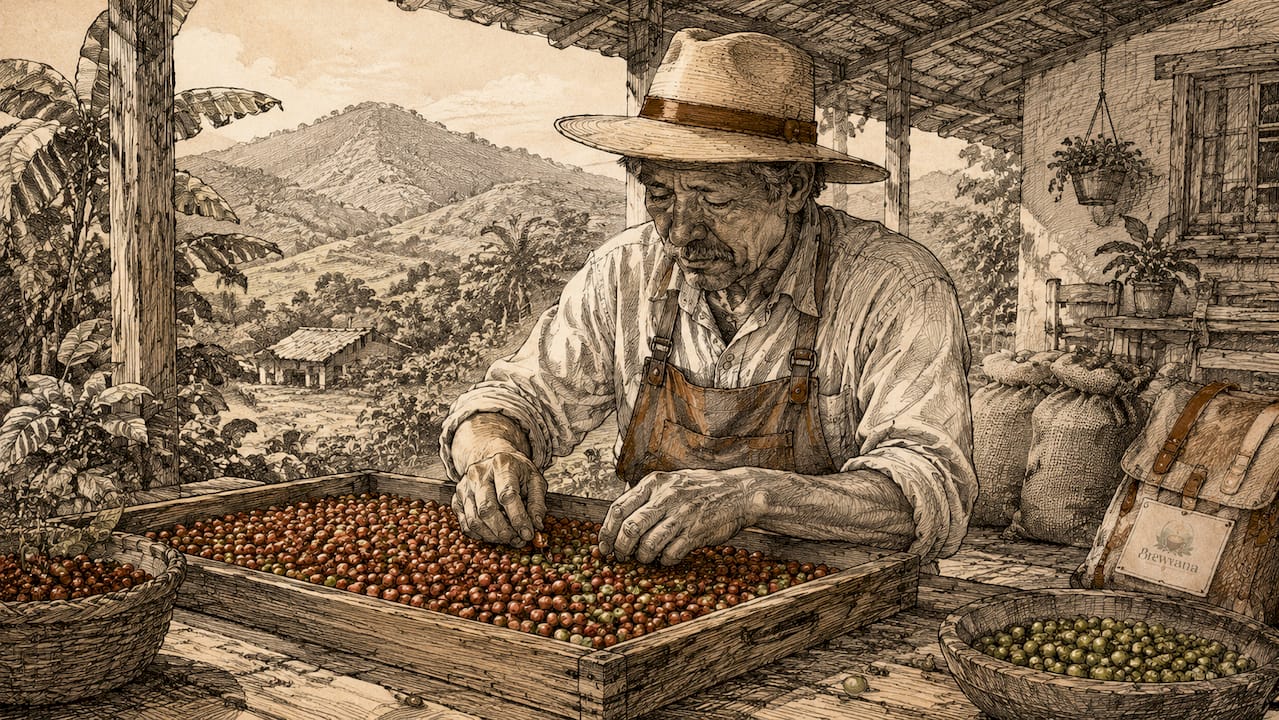
Seasonal collections are almost always limited in quantity. Once a harvest lot sells out, it is gone until the next crop cycle. That scarcity is not a marketing trick. It reflects the reality of agricultural production and is one reason serious coffee drinkers pay close attention to when collections drop.
How do seasonal coffee collections differ from seasonal coffee drinks?
This is the most common point of confusion, and the distinction matters. Seasonal coffee drinks and seasonal coffee beans have different sources of flavor and entirely different production cycles. One is agricultural; the other is culinary.
Seasonal coffee bean collections draw their flavor from the harvest itself. A natural-process Ethiopian coffee picked in november carries fruit-forward, wine-like notes because of how the cherry was dried on the bean. Those flavors are not added. They are grown.
Seasonal coffee drinks work the other way around. A pumpkin spice latte or a peppermint mocha gets its flavor from syrups, spices, and flavorings added during preparation. The coffee underneath is often the same year-round base espresso. The “season” lives in the recipe, not the bean.
Here is a quick breakdown of the key differences:
- Flavor source: Bean collections rely on harvest conditions and origin; drinks rely on added ingredients.
- Availability: Bean collections are limited by crop yield; drinks are limited by a retailer’s promotional calendar.
- Freshness: Bean collections degrade in quality over time; drinks can be replicated identically any time the syrup is available.
- Variety: Bean collections change based on what grew well that year; drinks stay consistent season to season.
Seasonal LTOs in cafes involve months of planning and ingredient sourcing to match consumer cravings. That planning is real and valuable, but it produces a different product than a true seasonal bean collection. Both have a place in coffee culture. Knowing which one you are buying helps you set the right expectations.
Pro Tip: When you see “seasonal” on a coffee shop menu, ask whether it refers to the beans or the recipe. If the barista mentions a syrup or flavoring, you are looking at a seasonal drink, not a seasonal bean collection.
What flavor profiles do seasonal coffee collections follow?
Flavor in a seasonal coffee collection is not random. It follows patterns tied to harvest timing, regional climate, and roast style. Understanding these patterns helps you choose coffees that match your taste preferences throughout the year.
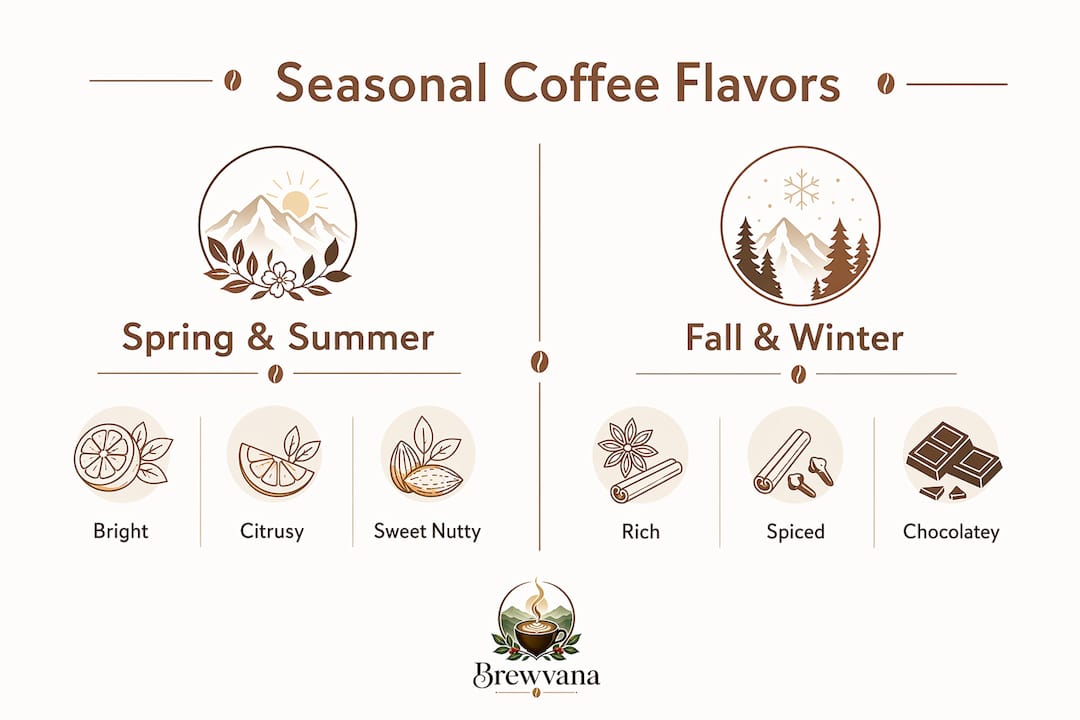
Spring and summer seasonal coffees often carry bright, citrusy, or sweet, nutty tasting notes, while fall and winter coffees shift toward warm, spicy flavors. That shift reflects harvest conditions and the natural chemistry of the bean.
| Season | Typical Origins | Common Flavor Notes | Roast Style |
|---|---|---|---|
| Spring | East Africa, Yemen | Citrus, floral, jasmine, berry | Light to medium |
| Summer | Central America, Colombia | Stone fruit, caramel, clean sweetness | Medium |
| Fall | Peru, Bolivia, Indonesia | Nutty, brown sugar, mild spice | Medium to dark |
| Winter | Ethiopia, Sumatra, Brazil | Dark chocolate, molasses, heavy body | Dark |
A few factors drive these flavor differences:
- Altitude: High-altitude beans develop more complex acids, producing brighter, fruitier cups.
- Processing method: Natural-process beans (dried with the cherry intact) taste fruitier and heavier. Washed beans taste cleaner and brighter.
- Roast level: Lighter roasts preserve the origin character of the bean. Darker roasts add roast-driven flavors like chocolate and smoke.
Brewvana’s Ethiopia Natural Process is a strong example of how processing amplifies seasonal character. The natural drying method intensifies the berry and wine notes that Ethiopian harvests naturally produce. Similarly, the Costa Rica Single Origin showcases the clean, bright acidity typical of Central American spring harvests.
Pro Tip: If you want to taste the difference between seasons, order a light-roast East African coffee in spring and a medium-dark South American coffee in fall. The contrast will make the concept of crop seasonality click immediately.
Why do seasonal coffee collections appeal to coffee lovers and cafes?
Fresh, in-season beans enable coffee drinkers to experience unique flavors throughout the year that a standard house blend simply cannot offer. That variety is the core appeal. Drinking the same blend every day is comfortable, but it limits your palate.
For coffee lovers, seasonal collections create a reason to pay attention. Waiting for a specific harvest from a favorite region builds anticipation. When the collection arrives, it feels like an event rather than a routine purchase. That emotional connection to the product is something no year-round blend can replicate.
For cafes and roasters, seasonal beverages turn seasonal changes into anticipated recurring events that drive customer visits. A well-timed seasonal drop generates social media buzz, repeat traffic, and word-of-mouth recommendations. Roasters who release limited seasonal collections also build a reputation for quality and curation that attracts serious coffee drinkers.
The benefits for coffee drinkers specifically include:
- Access to flavors that only exist for a few months each year.
- A natural way to expand your palate without committing to a large purchase.
- The satisfaction of drinking coffee at its peak freshness.
- A connection to the farmers and regions producing the beans.
Exploring limited release roasts is one of the best ways to understand why seasonality matters in specialty coffee. Each release tells a story about a specific place and time.
How to choose, store, and enjoy seasonal coffee collections
Choosing a quality seasonal coffee starts with reading the label carefully. Four details tell you almost everything you need to know.
- Roast date: Look for a roast date within the past two to four weeks. Coffee peaks in flavor between three days and three weeks after roasting. Anything older than six weeks has lost significant freshness.
- Origin information: A genuine seasonal collection names the country, region, and often the farm or cooperative. Vague labels like “South American blend” are a red flag.
- Processing method: Natural, washed, and honey-processed beans each produce distinct flavor profiles. Knowing the method helps you predict the cup. Brewvana’s guide to coffee bean processing methods breaks this down clearly.
- Harvest year or crop cycle: The best roasters note which crop year the beans come from. This confirms the coffee is from a recent harvest, not old stock.
Storage is equally important. Storing coffee in airtight, cool, dark places extends optimal flavor life. A ceramic or stainless steel canister with a one-way valve keeps oxygen out without trapping off-gassing CO2 from fresh beans. Avoid the refrigerator. Temperature fluctuations and moisture destroy delicate seasonal flavors faster than open air does.
Brewing method also shapes how well seasonal flavors come through. Light-roast spring coffees shine in a pour-over or Chemex, where the clean, precise extraction highlights floral and citrus notes. Fall and winter coffees with heavier bodies and spice notes work beautifully in a French press or Moka pot, where longer contact time pulls out depth and richness. Espresso works across all seasons but tends to amplify roast character over origin character.
For food pairing, match the season. A bright spring Ethiopian coffee pairs well with citrus pastries or fresh fruit. A winter dark-roast Sumatran coffee pairs naturally with dark chocolate, aged cheese, or a hearty breakfast.
Key takeaways
A seasonal coffee collection is defined by harvest timing and origin, not by added flavors or marketing calendars. That distinction separates genuinely fresh, crop-driven coffee from seasonal drinks built around syrups and recipes.
| Point | Details |
|---|---|
| Definition of seasonal collections | Curated beans roasted shortly after harvest to capture peak, naturally occurring flavors. |
| Beans vs. drinks | Bean collections get flavor from the crop; seasonal drinks get flavor from added syrups or spices. |
| Flavor follows the harvest | Spring brings citrus and floral notes; fall and winter bring spice, chocolate, and heavy body. |
| Freshness signals quality | A roast date within two to four weeks and clear origin info confirm a coffee is genuinely seasonal. |
| Storage preserves flavor | Airtight, cool, dark storage keeps seasonal flavors intact far longer than open containers. |
Brewvana’s take on why seasonality changes everything
Seasonal coffee collections changed how I think about coffee entirely. Before I started paying attention to harvest cycles, coffee was just a daily habit. After the first time I tasted a freshly roasted Ethiopian natural-process coffee within two weeks of its harvest, I understood what all the fuss was about. The difference between that cup and a six-month-old commodity blend was not subtle. It was the difference between a ripe peach and a canned one.
The part that most coffee guides miss is that seasonality is not about exclusivity or price. It is about timing. A $15 bag of freshly roasted seasonal coffee from a well-sourced origin will outperform a $40 bag of stale beans every single time. Freshness is the variable that matters most, and seasonal collections force you to prioritize it.
What I find most exciting about the current coffee culture is that crop seasonality is becoming common knowledge. Coffee drinkers are asking better questions. They want to know where their beans came from, when they were harvested, and how they were processed. That curiosity is exactly what seasonal collections reward. Each one is a snapshot of a specific place and moment in time. You cannot replicate it, and you cannot get it back once the lot is gone. That is what makes it worth paying attention to.
— Brewvana
Brewvana’s seasonal coffee collections, ready to explore
Brewvana curates single-origin coffees and artisan blends roasted to order, so every bag you receive reflects peak freshness rather than warehouse storage.
Whether you are new to seasonal coffees or a seasoned drinker looking for something specific, Brewvana’s range covers the full spectrum. The Peru Single Origin delivers the warm, nutty character of a South American fall harvest. The Max Caf High-Caffeine Blend offers a bold, year-round option for those who want power alongside flavor. For coffee drinkers who want consistent access to fresh seasonal offerings, Brewvana’s coffee and tea subscriptions deliver roasted-to-order beans on a schedule that matches your consumption. No stale coffee, no guessing about freshness.
FAQ
What is a seasonal coffee collection?
A seasonal coffee collection is a curated set of coffee beans or blends sourced and roasted to highlight flavors tied to specific harvest periods. These collections rotate throughout the year based on real agricultural cycles, not promotional calendars.
How are seasonal coffee collections different from seasonal coffee drinks?
Seasonal coffee drinks rely on syrups and flavorings to create a seasonal taste, while seasonal coffee bean collections draw their flavor directly from the harvest, origin, and processing method of the beans themselves.
How do I know if a seasonal coffee is fresh?
Check the roast date on the bag. Coffee is at peak flavor between three days and three weeks after roasting. A clear origin label and a recent roast date are the two strongest indicators of a genuinely fresh seasonal coffee.
What brewing method works best for seasonal coffees?
Light-roast seasonal coffees from spring harvests perform best in a pour-over or Chemex. Heavier fall and winter coffees with more body suit a French press or Moka pot, where longer extraction brings out depth and warmth.
Why do seasonal coffee collections sell out quickly?
Seasonal collections are limited by crop yield. Once a harvest lot is roasted and sold, it cannot be restocked until the next growing cycle. That scarcity is agricultural, not artificial, which is why moving quickly on a seasonal release you enjoy is worth it.