

Most home brewers have stood in a coffee aisle, or worse, stared at an endless scroll of online options, and genuinely had no idea what they were looking at. Price, packaging, and brand name can only tell you so much. If you want to consistently identify high quality coffee beans, you need to know what actually separates a flat, forgettable cup from one that stops you mid-sip. This guide walks you through bean types, processing methods, roast levels, freshness markers, and sensory evaluation so you can shop with real confidence and brew results that match your palate.
Table of Contents
- Understanding coffee bean types and their flavor profiles
- How coffee bean processing affects flavor and quality
- Choosing the right roast level for high-quality coffee
- How to identify freshness and ensure quality in coffee beans
- Step-by-step guide to selecting the best quality coffee beans for your home brewing
- Verify and troubleshoot: tasting and assessing coffee bean quality
- Why freshness and personal taste trump conventional coffee quality wisdom
- Discover and enjoy premium coffee beans at Brewvana
- Frequently asked questions
Key Takeaways
| Point | Details |
|---|---|
| Know your bean types | Arabica offers nuanced flavors, Robusta adds caffeine and crema, influencing bean quality and taste. |
| Understand processing methods | Washed beans yield clean flavors, while natural and honey processes create sweeter, fruitier profiles. |
| Choose medium roast for versatility | Medium roast balances flavor and ease of brewing, perfect for home coffee enthusiasts. |
| Prioritize roast date freshness | Select beans with recent roast dates and consume within weeks to enjoy optimal flavor. |
| Store beans properly | Keep coffee in airtight, opaque containers away from light and moisture to maintain freshness. |
Understanding coffee bean types and their flavor profiles
The first step in knowing how to choose coffee beans is understanding that not all beans are the same species. The variety you start with sets a ceiling on flavor potential before roasting, processing, or brewing even enter the picture.
The two most important species are Arabica and Robusta. Arabica is generally higher quality and more nuanced with smoother, sweeter flavor, while Robusta is higher caffeine with bolder, bitter tones and more crema density. Arabica thrives at elevations above 2,000 feet, where slower maturation builds complexity and sweetness. Robusta grows at lower altitudes, matures faster, and produces a harsher but more resilient bean, which is why you see it in commercial espresso blends where thick crema is a priority.
Two other species worth knowing are Liberica and Excelsa. Liberica produces large, irregular beans with a woody, floral, and sometimes smoky flavor. Excelsa, often classified under Liberica, leans toward tart, dark fruit notes and is mainly grown in Southeast Asia. Both are niche, but if you want to explore unusual coffee bean flavor profiles, they are worth trying at least once.
Here is a quick breakdown of the main species and what you can expect:
- Arabica: Sweet, fruity, floral, wine-like acidity. Best for pour-over, filter, and most specialty brewing.
- Robusta: Bold, bitter, earthy, rubbery at low grades. Adds crema and caffeine kick to espresso blends.
- Liberica: Smoky, woody, floral. Uncommon but intriguing for adventurous palates.
- Excelsa: Tart, dark fruit, complex. Occasionally used in blends to add depth.
Now that you understand the core bean types, let’s explore how processing methods affect flavor and quality.
How coffee bean processing affects flavor and quality
Processing is how the coffee cherry’s fruit is removed from the seed (the bean) before it’s dried and exported. It is one of the most powerful factors shaping the final cup, and yet most people shopping for coffee skip right past it. Knowing the processing method is a direct shortcut to predicting what your coffee will taste like.
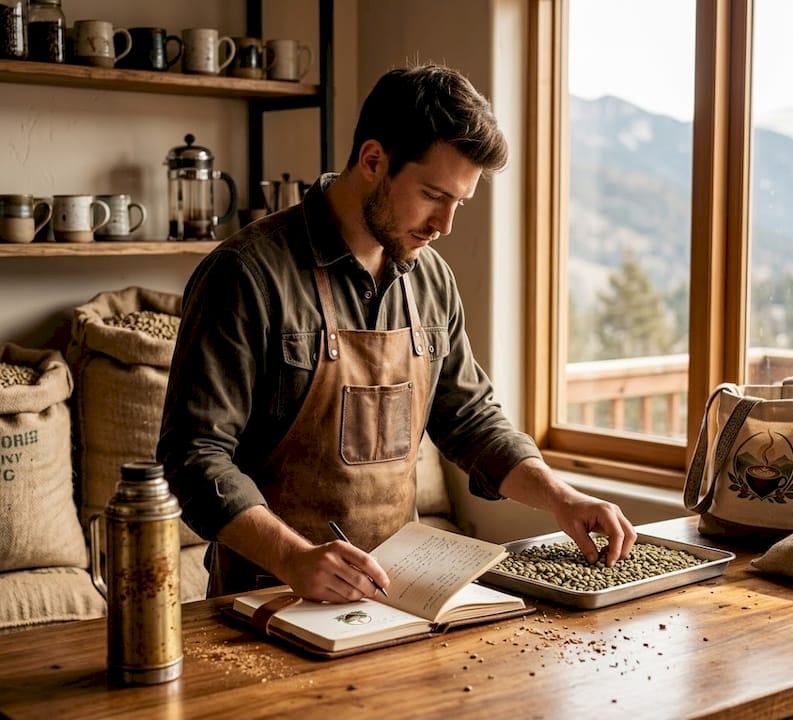
Washed coffees tend toward cleaner, brighter cups; natural and honey styles produce fruitier and sweeter profiles. In washed processing, the fruit is removed before drying, which keeps the flavor focused on the bean’s origin characteristics. Think bright citrus notes, clean acidity, and clarity. Ethiopian Yirgacheffe washed coffees are a textbook example: floral, bergamot, lemon. Clean and electric.
Natural (or dry) processing leaves the fruit on the bean during drying, which allows fruit sugars to absorb into the seed. The result is a heavier body, lower acidity, and flavors that lean toward blueberry, strawberry jam, and dark chocolate. Brazilian naturals are the most common example you’ll find on specialty shelves. Honey processing sits between the two: some fruit mucilage is left on the bean, creating a syrupy sweetness without going full-fruit-forward. The amount of mucilage left on determines whether it’s labeled yellow, red, or black honey.
Here is how to map processing style to your taste preferences:
- Washed: You like clean, bright, and tea-like cups. Great for pour-over and Chemex.
- Natural: You want big, fruity, wine-like sweetness. Works beautifully in espresso and French press.
- Honey: You want something in between. Versatile for most brewing methods.
Pro Tip: If you’re new to specialty coffee, start with a washed Colombian or Ethiopian. The clarity of flavor makes it much easier to evaluate quality and start training your palate.
With bean types and processing understood, let’s discuss how roast level influences quality and suitability for your brewing method.
Choosing the right roast level for high-quality coffee
Roast level is where a lot of people get tripped up, mainly because darker roasts have historically been marketed as “stronger” or “bolder” which gets conflated with better. The reality is more nuanced. Roast transforms the bean’s chemistry, and the right level depends entirely on what you want from your cup and how you’re brewing it.
Light roasts preserve the most origin character. You’ll taste more of what the terroir and processing contributed, but these beans demand precision. Brew temperature, grind size, and extraction time are less forgiving. Under-extract a light roast and you get sharp, sour, underdeveloped coffee. They’re also denser, so you may need to grind finer and use hotter water (around 205°F) than you’re used to.
Medium roast is commonly recommended as the most forgiving and balanced roast for home brewing, suitable across many methods. The sugars have caramelized enough to smooth out acidity, body builds up noticeably, and you retain a solid amount of the bean’s original character. For most home brewers, medium roast is the smart default. It is also worth knowing that roast date importance grows with darker roasts, which off-gas more aggressively and stale faster.
Dark roasts develop intense chocolatey, smoky, and sometimes caramel notes. But at this level, origin differences largely disappear. An Ethiopian dark roast and a Colombian dark roast will taste more alike than different, which is why specialty roasters rarely take premium beans dark.
Key things to remember about roast levels:
- Light roast: High brightness, complex origin notes, finicky extraction. Best for filter methods with precision equipment.
- Medium roast: Balanced sweetness, body, and acidity. Reliable for pour-over, drip, and espresso.
- Dark roast: Bold, bitter, chocolate, smoke. Forgiving extraction but loses nuance fast.
Pro Tip: Buy light or medium roasted single-origin beans to actually taste the difference between a Kenyan AA and a Guatemalan Huehuetenango. Dark roasting those same beans erases the story.
Along with roast, freshness is critical to quality. Next, we review how to identify fresh coffee beans and store them properly.
How to identify freshness and ensure quality in coffee beans
Freshness is where most grocery store coffee fails quietly. The bag might look premium, but if there’s no roast date or the date is three months old, you’re already starting behind. Learning to identify coffee bean freshness is non-negotiable for quality home brewing.
The roast date is a better freshness indicator than an expiration date; consuming beans within 2-3 weeks after opening preserves peak flavor. Here’s how to evaluate freshness before you even open the bag:
- Check the roast date. Aim for beans roasted within the last 7 to 21 days. Less than 7 days can mean the CO2 is still off-gassing heavily, which actually disrupts espresso extraction. More than 21 days and you’re losing the volatile aromatics that make specialty coffee worth paying for.
- Look for a one-way valve. Quality bags have a small valve that lets CO2 escape without letting oxygen in. No valve is a red flag, especially for fresh roasted beans.
- Smell the bag. Even through packaging, fresh coffee has presence. A muted or cardboard smell means it’s already stale.
- Examine the beans visually. Fresh roasted beans have a slight sheen from surface oils (especially medium to dark roasts). Dull, dry, or chalky appearance points to age.
- Store properly. Once opened, move beans to an airtight, opaque container. Keep them at room temperature, away from light and heat.
“The biggest mistake home brewers make is buying more coffee than they can drink in two weeks. Fresh beans bought in smaller quantities every week will outperform expensive beans bought in bulk every single time.”
- Never refrigerate or freeze beans unless they are sealed and you plan to keep them frozen for months. The freeze-thaw cycle introduces moisture and the fridge introduces off-flavors from surrounding foods.
- Check out these fresh roasted coffee tips to make freshness part of your regular buying routine.
Now that you can assess freshness, we’ll guide you through practical steps to select quality beans based on your preferences and brewing setup.
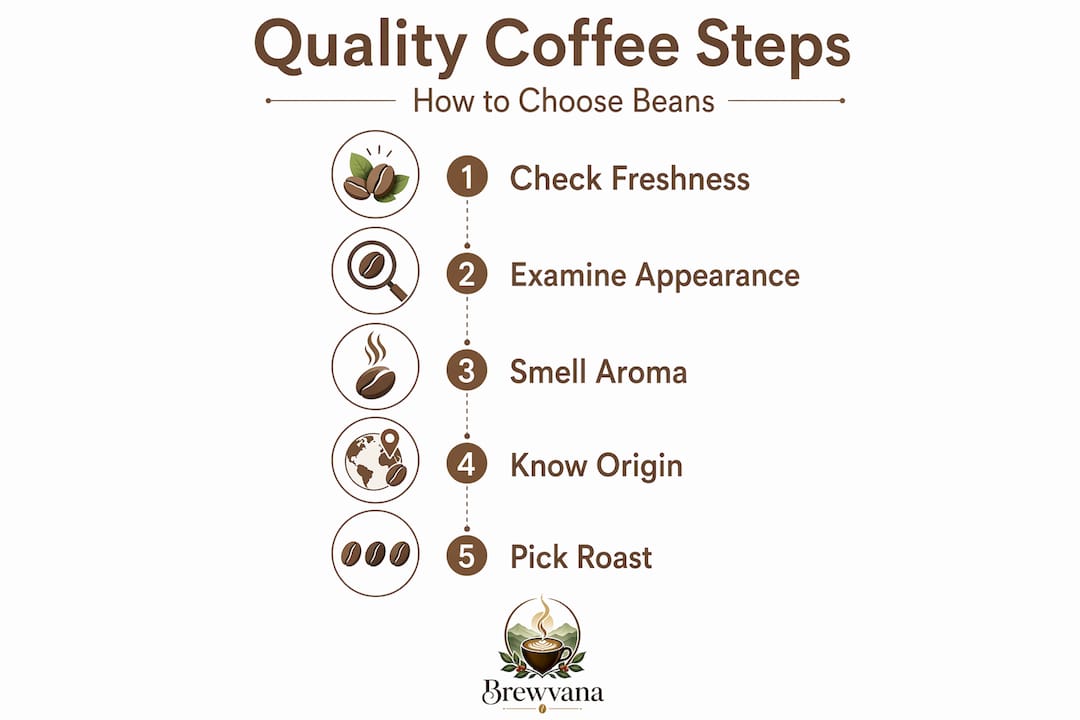
Step-by-step guide to selecting the best quality coffee beans for your home brewing
Here is a practical checklist you can run through every time you’re looking at new beans. This is the premium coffee selection framework that removes guesswork entirely.
- Define your flavor goal. Fruity and bright? Or rich and chocolatey? Your answer drives every decision below.
- Match bean type to your goal. Choose Arabica for complexity and nuance. If you want a blend for espresso body and crema, a well-sourced Arabica-Robusta mix is fine.
- Pick the processing style. Washed for clarity. Natural for fruit-forward sweetness. Honey for balance.
- Select your roast level. Medium is the safest and most versatile starting point. Light if you’re brewing pour-over and want origin character. Dark only if you know you prefer it.
- Verify the roast date. 7 to 21 days post-roast. Walk away from anything undated.
- Grind immediately before brewing. Pre-ground coffee starts staling within minutes of being ground. A burr grinder is an investment that pays off in every cup.
- Adjust your brew parameters. Once you have fresh beans, dial in grind size, water temperature, and brew ratio to match the bean’s characteristics.
Colombian medium roast, washed or honey process, is the most forgiving and versatile bean for most home brewing methods. Here’s a quick reference table to anchor your selections:
| Bean origin | Processing | Roast level | Flavor notes | Best brewing method |
|---|---|---|---|---|
| Colombia | Washed / Honey | Medium | Caramel, red apple, chocolate | Drip, pour-over, espresso |
| Ethiopia Yirgacheffe | Washed | Light | Floral, bergamot, lemon | Pour-over, Chemex |
| Brazil | Natural | Medium/Dark | Chocolate, nuts, low acidity | French press, espresso |
| Kenya AA | Washed | Light/Medium | Blackcurrant, tomato, bright | Pour-over, Aeropress |
| Guatemala | Washed | Medium | Brown sugar, citrus, full body | Drip, espresso |
For more detailed guidance on matching beans to your equipment, explore selecting premium coffee beans across different brewing formats.
Verify and troubleshoot: tasting and assessing coffee bean quality
You have the beans. Now trust your senses. The sensory evaluation step is where you confirm what the label promised and start building a real library of taste experience.
Aroma, flavor, and appearance reveal bean freshness and quality. Run through this evaluation after brewing:
- Smell the dry grounds. Before water touches anything, take a deep sniff of your freshly ground coffee. Vibrant, complex, layered aroma is what you want. Flat or musty means the beans are past their peak.
- Observe the bloom. When you add hot water, fresh coffee blooms, meaning it bubbles and expands from CO2 release. No bloom means no freshness.
- Taste for complexity. A quality cup should have multiple notes as it cools. Fruit, sweetness, nuts, chocolate, florals. If it tastes like one flat note of bitter, the beans are either old or over-roasted.
- Assess the finish. Good coffee has an aftertaste worth staying with. A clean, sweet, or fruity finish signals quality.
Common issues and what they usually mean:
- Sour and sharp: Under-extraction. Grind finer or use hotter water.
- Bitter and dry: Over-extraction or beans that are too dark/old. Grind coarser or try a fresher roast.
- Flat and lifeless: Stale beans. No amount of brewing adjustment fixes this. Buy fresh.
- Off or musty flavor: Improper storage or low-grade beans with defects.
For a deeper look at evaluating coffee freshness from roast to cup, there’s more practical guidance worth reading before your next order.
Why freshness and personal taste trump conventional coffee quality wisdom
Here’s an opinion you won’t often hear in coffee circles: origin and varietal information are mostly useful after you’ve mastered freshness. Most guides lead with Ethiopia vs. Colombia, Arabica vs. Robusta, and spend paragraphs on terroir. That’s interesting context. But a two-month-old Ethiopian natural will lose to a three-week-old grocery store medium roast in a blind taste test more often than the specialty coffee world wants to admit.
Freshness is the single biggest variable most home brewers underestimate. The volatile aromatic compounds that give coffee its brightness, complexity, and sweetness degrade fast. Understanding why roast date matters so fundamentally is the mindset shift that separates mediocre home brewing from genuinely good cups.
The second underrated principle is brewing to your palate, not to a trend. Specialty coffee culture has strong opinions. Light roast single-origins are fashionable. Natural processing is having a moment. But if you genuinely prefer the clean, chocolate-forward profile of a medium washed Colombian over an exotic Gesha, that preference is valid and worth honoring. Chasing rare or trendy beans without knowing your own taste profile is an expensive way to end up with coffee you don’t enjoy.
Buy fresh. Buy small batches. Experiment deliberately, not randomly. Keep notes on what you liked and why. That process will teach you more about high quality coffee traits than any cupping guide.
Discover and enjoy premium coffee beans at Brewvana
Finding consistently fresh, well-sourced beans should not require this much detective work on your own.
At Brewvana, every bean in the collection is roasted to order and ships with a clear roast date, so you know exactly what you’re getting before your first brew. Whether you’re building out your flavor vocabulary or stocking up on a tried-and-true favorite, the single-origin selection makes it easy to trace exactly where your coffee came from and how it was processed. Not sure where to start? The coffee sample packs let you taste across origins, roast levels, and processing styles without committing to a full bag. Every order supports local schools through Brewvana’s community giving program, so your cup does a little more good in the world.
Frequently asked questions
How can I tell if coffee beans are fresh when buying?
Look for a clear roast date on the packaging and buy beans roasted within the last few weeks. Fresh beans will also have a vibrant aroma and a slight glossy sheen from surface oils.
What is the difference between Arabica and Robusta coffee beans?
Arabica beans are generally higher quality with smoother, sweeter flavor profiles and lower caffeine, while Robusta beans have higher caffeine, bolder bitterness, and produce more crema, making them common in espresso blends.
Which roast level is best for home brewing beginners?
Medium roast is the most practical starting point because it is forgiving and balanced across most brewing methods, delivering sweetness, body, and enough acidity without demanding precise extraction technique.
How should I store coffee beans to maintain their quality?
Store coffee beans in an airtight, opaque container in a cool, dark, dry place. Avoid refrigerating beans as the moisture and surrounding odors accelerate staling and dull the flavor.
Why is the processing method important when choosing coffee beans?
Processing method directly shapes flavor and body. Washed coffees produce cleaner, brighter cups, while natural and honey processed beans deliver sweeter, fruitier profiles that behave differently across brewing methods.