

Walk into any grocery store or scroll through any online coffee shop, and you’ll face an avalanche of pod options, each one claiming to be “premium.” The word has lost almost all meaning. But for coffee lovers who care about what’s actually in their cup, whether that’s a bright, fruit-forward single-origin from Peru or a rich, chocolatey artisan blend, the difference between a genuinely premium pod and a cleverly packaged mediocre one is enormous. Pod types are largely defined by brew system compatibility and capsule construction, which means flavor potential starts before you even open the bag. This guide cuts through the noise.
Table of Contents
- How to recognize a premium coffee pod
- Premium pod types by brew system: K-Cup, Nespresso, and more
- Best-in-class premium coffee pod options
- Premium pod comparison: Flavor, value, and experience
- Why “premium” coffee pods are redefining the at-home brew
- Discover Brewvana’s selection of premium coffee pods
- Frequently asked questions
Key Takeaways
| Point | Details |
|---|---|
| Know your machine | Machine compatibility determines which premium pod types you can use. |
| Premium means more | Look for freshness, ethical sourcing, and real sensory upgrades, not just fancy labels. |
| Taste-driven selection | Empirical tests and user reviews can steer you toward pods with superior flavor and crema. |
| Compare beyond price | Pod material, origin, and roast date matter as much as cost per cup. |
How to recognize a premium coffee pod
The word “premium” gets slapped on a lot of packaging. So before you spend your money, you need a reliable way to evaluate any pod on its actual merits.
True premium pods share a few non-negotiable qualities. First, freshness. Coffee begins losing its best aromatic compounds within weeks of roasting, so a pod filled with stale beans is never premium, no matter how beautiful the label. Second, bean origin transparency. Genuine premium pods tell you exactly where the coffee came from, the country, the region, often the farm or cooperative. Third, artisan roasting. Small-batch roasters who adjust each roast profile to the specific bean produce noticeably different results than industrial operations running beans through at maximum throughput. Fourth, ethical sourcing, whether that’s Fair Trade, Rainforest Alliance, or direct trade relationships with farmers.
Here’s a practical checklist to run through before you buy any pod:
- Roast date visible on packaging (not just a “best by” date)
- Single-origin or clearly described blend components
- Specialty-grade certification (Specialty Coffee Association scores 80+ out of 100)
- Transparent sourcing information (farm, region, or cooperative named)
- Eco-conscious packaging (compostable, recyclable, or minimal plastic)
- Sealed nitrogen-flushed chamber to preserve freshness post-roast
Pro Tip: Always prioritize roast date over best-by date. A pod roasted eight months ago and “good for” another four months is already past its flavor peak. Look for pods roasted within the last four to six weeks for the best sensory experience.
Empirical testing backs this up. Consumer media testing of K-Cups across 40 varieties confirms that premium can be measured across flavor, extraction quality, crema, and overall value, not just price point.
“The best pods aren’t just about the bean. They’re about how well the entire system, from roast to seal to brew, preserves and delivers flavor.”
Understanding why roast date drives coffee flavor freshness is one of the most important shifts you can make as a home brewer. It changes how you shop entirely.
Premium pod types by brew system: K-Cup, Nespresso, and more
Once you know what “premium” looks like, you need to understand the landscape of pod formats. This matters enormously because even the world’s finest single-origin coffee, ground and sealed into the wrong pod format for your machine, will produce a disappointing cup.
The word “pod” means different things depending on where you are. In the US, “pod” is often used loosely to describe any single-serve capsule, including K-Cups, Nespresso capsules, and soft ESE (Espresso Serving Ease) pods. In Europe, “pod” more often refers specifically to the flat, paper-filter ESE format. This inconsistency causes real confusion when shopping, especially online.
Here’s a breakdown of the major systems:
K-Cup (Keurig compatible): The K-Cup is a hard plastic capsule with a foil top and an internal paper filter. Hot water is forced through at relatively low pressure. This system prioritizes convenience and consistency. Premium K-Cups use higher-grade beans and better filtration, but the low-pressure brew method means you won’t get espresso-style crema.
Nespresso OriginalLine: These aluminum capsules brew at high pressure (up to 19 bars), which extracts crema and produces a concentrated, espresso-style shot. The sealed aluminum preserves freshness exceptionally well. Third-party premium pods for OriginalLine machines have grown significantly, giving specialty roasters a way into this format.
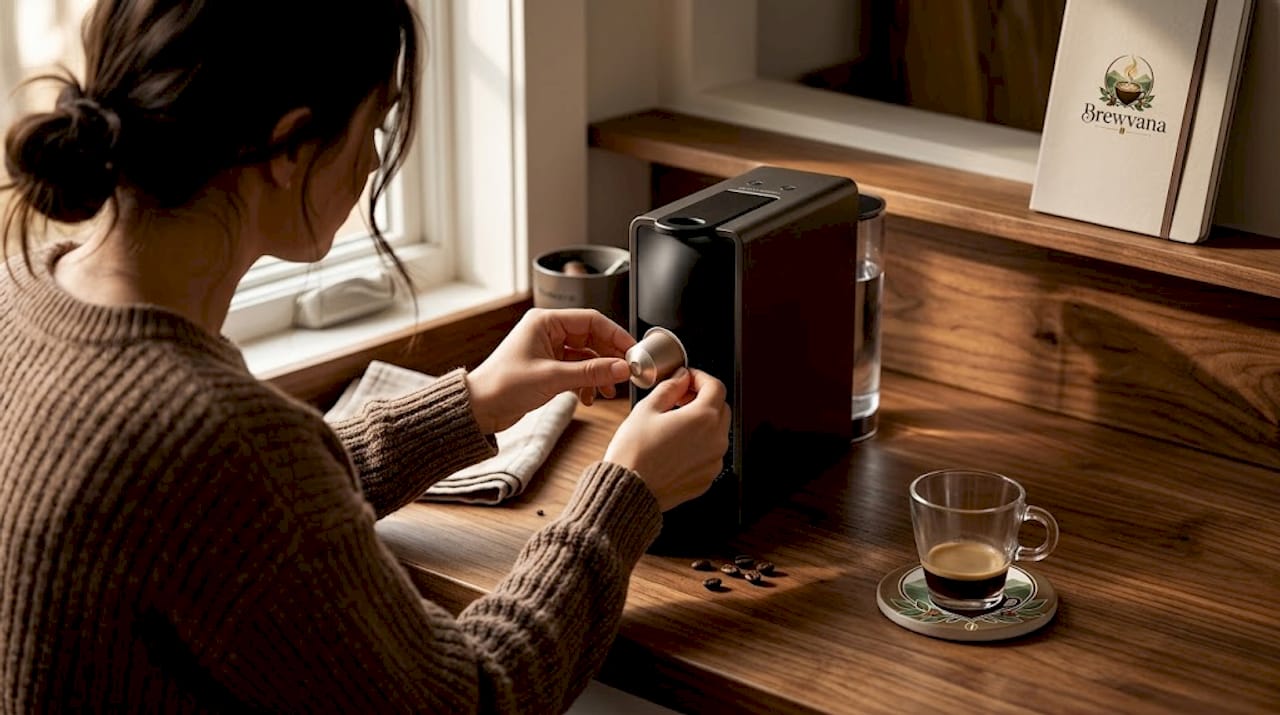
Nespresso VertuoLine: This system uses a proprietary barcode-reading technology to customize brew parameters per pod. It produces a larger cup with a thick, foam-like crema layer. However, VertuoLine only accepts Nespresso’s own capsules, which limits third-party premium options significantly.
Proprietary and craft systems: Some specialty roasters have developed their own capsule systems or partner with machines like the Breville Precision Brewer. These systems often prioritize freshness and flavor above all else, sometimes at the cost of convenience.
| System | Pod construction | Premium features | Machine compatibility |
|---|---|---|---|
| K-Cup | Hard plastic + paper filter | Wide bean variety, easy to find | Keurig brewers only |
| Nespresso OriginalLine | Sealed aluminum | High-pressure crema, airtight freshness | OriginalLine machines + many third-party |
| Nespresso VertuoLine | Aluminum with barcode | Customized brew parameters, thick crema | VertuoLine machines only |
| ESE Pods | Soft paper filter | Espresso-style, eco-friendly | ESE-compatible espresso machines |
| Craft/proprietary | Varies | Maximum freshness focus, artisan roasting | Brand-specific machines |
Single-serve coffee capsules that are designed for specific systems deliver noticeably better results than “universal” pods that claim to work everywhere but optimize for nothing. If you’re serious about flavor, buy pods built for your exact machine.
Pro Tip: If you’re considering upgrading your machine, choose your preferred pod format first, then find a machine that supports it. Most people do it backwards and end up locked into a system that limits their premium options.
For households that brew frequently, bulk coffee pods in your preferred format can deliver both quality and value without compromising on freshness, provided they come with visible roast dates and proper nitrogen sealing.
Best-in-class premium coffee pod options
Now that you understand what to look for and which systems exist, it’s time to talk about real-world standouts. The best premium pods distinguish themselves through origin transparency, roast craftsmanship, and eco-conscious design.
Here are the categories that define best-in-class:
Single-origin pods: These showcase the unique flavor characteristics of one specific growing region. A coffee from Peru’s high-altitude valleys will taste distinctly different from one grown in Bali’s volcanic soil. That specificity is the point.
- Peru single-origin pods: Bright acidity, notes of citrus and milk chocolate, grown at elevations above 1,500 meters. Ideal for light to medium roast lovers who want complexity without bitterness.
- Mexico single-origin pods: Smooth body, mild acidity, with subtle nutty and caramel notes. A crowd-pleaser that works beautifully across multiple brew strengths.
- Bali artisan pods: Full-bodied, earthy, with dark fruit undertones. Bali’s volcanic growing conditions create a distinctive profile that stands out in any single-serve format.
Artisan blend pods: Blends aren’t inferior to single-origins. A well-crafted blend achieves consistency and balance that a single-origin can’t always guarantee across harvests. The best artisan blends name their component origins and explain the roast rationale.
Eco-friendly pods: Compostable and recyclable pod options have improved dramatically. Early versions sacrificed freshness for sustainability. Today’s best eco-pods use plant-based materials that maintain an effective oxygen barrier without relying on single-use plastic.
For those who want to explore across categories before committing, a flavored pod sample pack is one of the smartest ways to discover your preferences without buying full quantities of each.
“After brewing 40 K-Cups in hands-on testing, the pods that consistently ranked highest combined freshness-preserving construction with clearly sourced, higher-grade beans.”
That finding reinforces what specialty roasters have known for years: construction and bean quality are inseparable when it comes to premium pod performance.
Premium pod comparison: Flavor, value, and experience
You’ve seen the major types and the standout options. Now it’s time to put them side by side so you can make a confident, values-aligned choice.
| Pod type | Best use | Flavor/strength | Crema quality | Eco-score | Est. price per cup |
|---|---|---|---|---|---|
| K-Cup (premium) | Everyday drip-style brew | Medium, consistent | None | Low to medium | $0.75 to $1.25 |
| Nespresso OriginalLine | Espresso and lungo | Intense, concentrated | Excellent | Medium (aluminum recyclable) | $0.90 to $1.50 |
| Nespresso VertuoLine | Large cup, foamy crema | Medium to bold | Very good | Medium | $1.00 to $1.60 |
| ESE pods | Traditional espresso | Bold, rich | Good | High (paper-based) | $0.60 to $1.10 |
| Craft/artisan pods | Specialty brewing | Variable, nuanced | Varies | High (often compostable) | $1.20 to $2.00 |
Here’s a step-by-step process for choosing your ideal premium pod:
- Identify your machine first. K-Cup, OriginalLine, VertuoLine, or ESE-compatible? This is your non-negotiable starting point.
- Define your flavor preference. Bright and acidic, smooth and balanced, or dark and bold? Single-origin or blend?
- Set your freshness standard. Decide you will only buy pods with a visible roast date. This alone eliminates most mass-market options.
- Check sustainability credentials. Look for compostable, recyclable, or minimal-plastic packaging if eco-impact matters to you.
- Start with a sampler. Before committing to a 60-pack, test a smaller variety to confirm the flavor profile works for your palate and your machine.
- Evaluate price per cup in context. A $1.50 pod that delivers a genuinely excellent cup beats a $0.80 pod that you drink without pleasure.
Pro Tip: Never assume high price equals superior flavor. Some of the most expensive pods underperform because they prioritize branding over bean quality. Check recent taste tests and look for specialty-grade certifications before paying a premium price.
The premium coffee pod sampler approach is particularly smart because it lets you apply all six steps above with real cups in hand, not just product descriptions on a screen. Tasting is the only evaluation that truly counts.
Some testers and outlets prioritize convenience and consistency, particularly in the K-Cup format, while specialty and espresso capsule systems emphasize crema and freshness-preserving packaging as the defining premium markers. Neither view is wrong. They reflect different values and different definitions of what makes a morning cup exceptional.
Why “premium” coffee pods are redefining the at-home brew
Here’s the bigger picture that most pod comparison articles miss entirely.
The rise of premium pods isn’t just a product trend. It’s a cultural shift in how people relate to their daily coffee ritual. For decades, single-serve coffee was synonymous with convenience at the cost of quality. You accepted a mediocre cup because it was fast. That trade-off is no longer necessary, and a growing number of coffee drinkers are refusing to make it.
But here’s where conventional wisdom falls short. Many buyers assume that simply switching to a “premium” pod label solves the problem. It doesn’t. A genuinely excellent single-origin pod brewed on a machine that hasn’t been descaled in a year, using water that’s too hot or too cold, stored in a cabinet next to the stove where heat degrades the seal, will still produce a disappointing cup. True premium is a system, not just a product.
Pod terminology is also inconsistent across regions and retailers, which means compatibility confusion is a real and underappreciated risk. A pod labeled “compatible” with your machine in one country may not perform the same way in another market’s version of the same brewer.
“The real power of a premium pod lies in combining the right capsule with the right machine, the right water temperature, and the right storage habits. It’s a holistic sensory upgrade, not a single purchase.”
We’ve seen this pattern repeatedly. Customers upgrade from standard pods to specialty single-origin options and report a noticeable improvement. But the customers who also pay attention to machine maintenance, water quality, and storage conditions report dramatic improvement. The pod is the star, but it needs a good supporting cast.
Pro Tip: Start your premium coffee journey by upgrading your brewing awareness before upgrading your pod label. Learn your machine’s optimal brew temperature, descale it regularly, and store your pods away from heat and light. Then layer in the premium pod, and you’ll taste the full difference.
The social dimension matters too. Many premium pod brands, including those committed to direct trade and community reinvestment, are demonstrating that better coffee and better ethics aren’t mutually exclusive. When a portion of your pod purchase supports local schools or farmer communities, the cup tastes a little better for reasons that go beyond chemistry.
Discover Brewvana’s selection of premium coffee pods
If you’ve made it this far, you’re ready to stop settling for average and start brewing with intention. Brewvana’s curated line of artisan and single-origin pods is built around everything this guide covers: roast-to-order freshness, transparent sourcing, and craftsmanship that shows up in every cup.
The best place to start is with Brewvana’s shop single-serve pods, which gives you a manageable first order to test freshness and flavor against your current setup. If you want to explore the world of origin-specific coffee, explore single origin pods from regions like Peru, Mexico, and Bali, each roasted to highlight what makes that growing region unique. Not sure where to begin? Try sample packs to taste across multiple profiles before committing to a favorite. Every purchase also supports Brewvana’s donation program for local schools, so your morning ritual does a little good in the world too.
Frequently asked questions
What makes a coffee pod truly premium?
Premium pods feature high-quality, often specialty-grade beans, a visible roast date, craft roasting, and ethical sourcing. Pod quality is also defined by capsule construction and brew system compatibility, not just the brand name on the label.
Will all premium pods work in my Keurig or Nespresso machine?
No. Machine compatibility is the first thing to verify before buying any pod. Pod terminology varies across regions and retailers, so “compatible” doesn’t always mean optimized for your specific brewer.
Are eco-friendly pods really worth it?
Yes. Today’s best compostable and recyclable pods preserve freshness as effectively as plastic alternatives, so you’re not trading flavor for sustainability. The materials have improved significantly in recent years.
How can I tell if a pod is fresh or recently roasted?
Look for a roast date printed directly on the packaging, not just a best-by date. Brands that disclose roast-to-ship timelines are being transparent about freshness, which is a strong signal of overall quality.
Is there a big taste difference between standard and premium pods?
Absolutely. Premium pods consistently deliver richer flavor, stronger aroma, and better crema or mouthfeel. Hands-on testing of 40 K-Cups confirms that premium quality can be measured empirically across multiple sensory dimensions, not just perceived through marketing.