

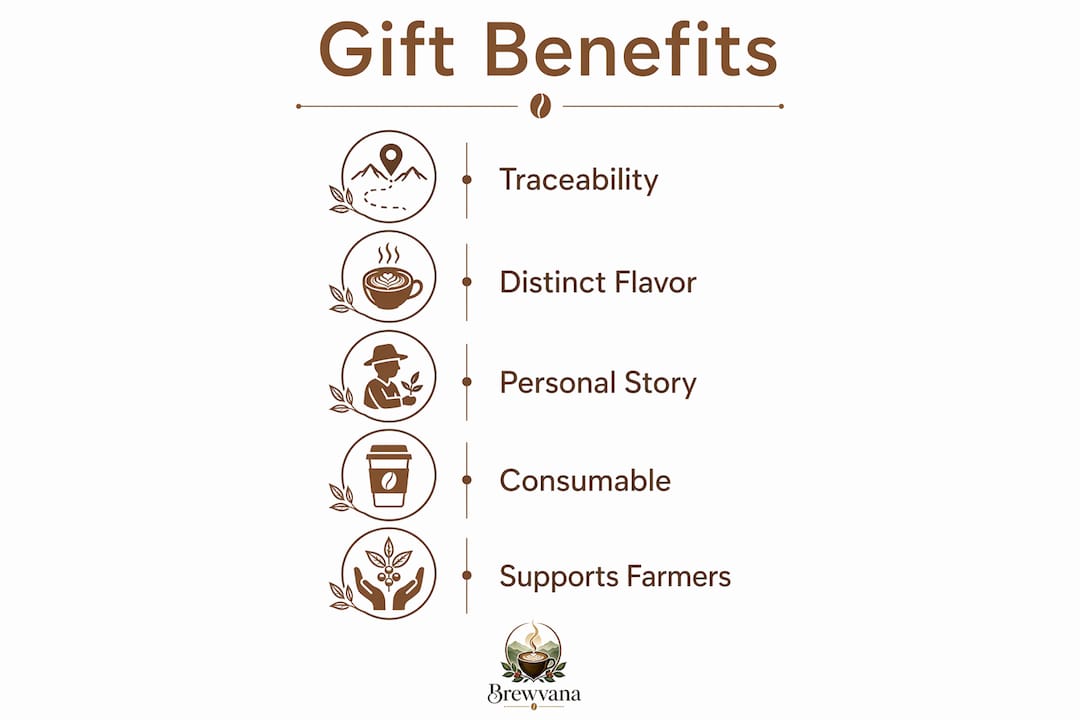
Single origin coffee is defined as coffee sourced from one specific farm, region, or country, and that traceability is exactly what makes it a standout gift. Unlike generic blends, single origin coffee carries a story: the altitude of an Ethiopian highland, the volcanic soil of a Costa Rican farm, the hands that picked each cherry. Gift shoppers searching for unique coffee gift options will find that single origin coffee delivers something most gifts cannot. It is personal, educational, and sensory all at once. Brewvana’s roasted-to-order approach makes these qualities even more accessible for anyone looking to give a genuinely memorable coffee experience.
Why single origin coffee is giftable: the core case
Single origin coffee is giftable because it offers something no generic gift can replicate: a direct connection to a specific place and the people who grew the beans. That connection shows up in the cup as flavor. Terroir-driven flavors like blueberry and jasmine in Ethiopian Yirgacheffe, or blackcurrant and grapefruit in Kenya AA, are not marketing language. They are real, detectable differences that make tasting an event rather than a routine.
Coffee professionals use the term provenance to describe this traceability. Provenance tells you not just where the coffee came from, but how it was processed, who grew it, and what conditions shaped its flavor. That level of detail transforms a bag of beans into a conversation starter. The recipient does not just drink the coffee. They learn something from it.
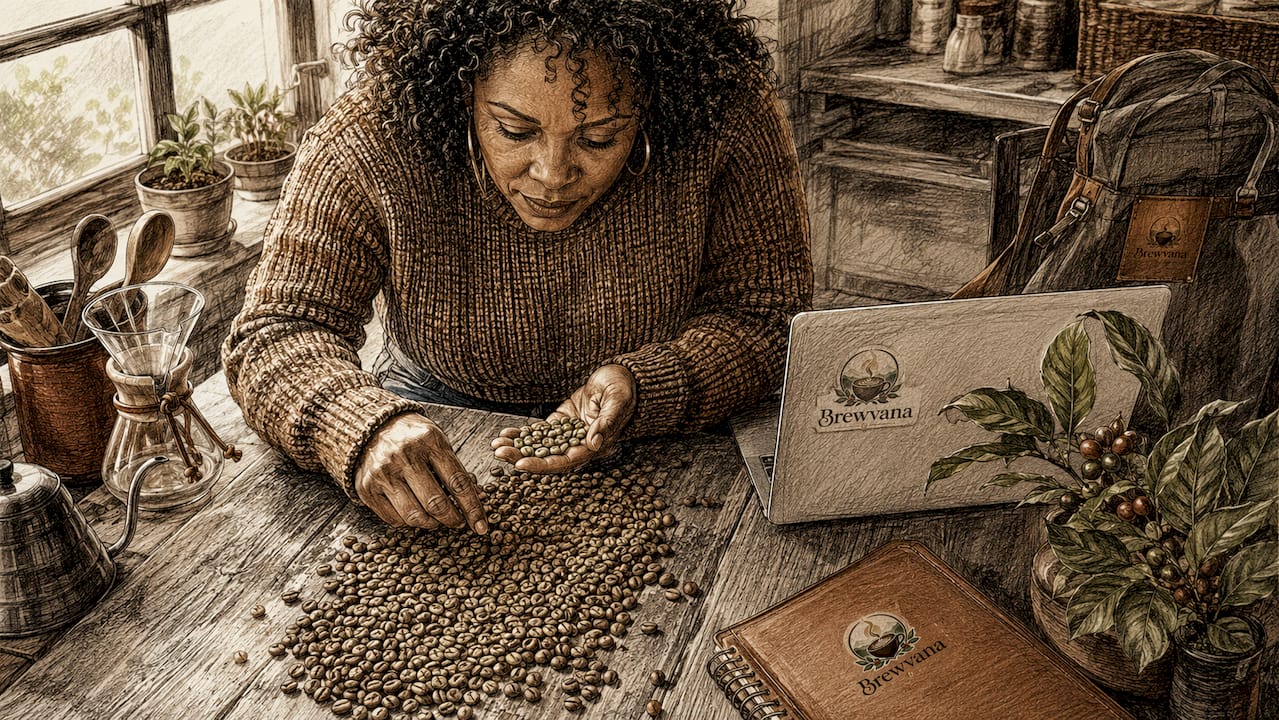
Single origin coffee also avoids the most common gift pitfall: clutter. Coffee gifts are consumable and personal, which means they get used, appreciated, and remembered without taking up shelf space. A $25 bag of specialty beans or a $14 monthly subscription both land well because they show the giver paid attention to the recipient’s actual preferences.
The storytelling aspect is what separates single origin from a standard grocery store bag. When a gift comes with tasting notes, an origin card, and a roast date, it signals care and knowledge. That combination is rare in most gift categories.
What makes single origin coffee a thoughtful and unique gift?
The sensory experience is the first reason single origin coffee works as a gift. Each origin produces a flavor profile shaped by soil, climate, elevation, and processing method. These are not subtle differences. A naturally processed Ethiopian coffee can taste like fruit wine. A washed Guatemalan coffee can taste like dark chocolate and brown sugar. Recipients who have only ever tasted blended supermarket coffee are genuinely surprised by these flavors.
The educational value adds another layer. Single origin coffee gifts often include:
- Tasting notes that describe specific flavors to look for in the cup
- Origin stories connecting the beans to a specific farm or cooperative
- Processing method details explaining how the coffee was dried or fermented
- Brewing recommendations matched to the bean’s roast level and density
- Roast date information so the recipient knows when to brew for peak flavor
Each of these elements gives the recipient something to engage with beyond just drinking. That engagement is what makes the gift memorable weeks after the wrapping paper is gone.
The connection to farming communities also matters. Specialty single origin coffee is typically sourced through direct trade or transparent supply chains. When a gift card explains that the beans came from a small cooperative in Peru, the recipient feels part of something larger than a transaction. That emotional dimension is hard to replicate with most gift options.
Pro Tip: Pair a bag of single origin coffee with a printed card that explains the origin story in two or three sentences. That small addition doubles the perceived value of the gift without adding cost.
How does recipient experience level shape the best single origin coffee gifts?
The best coffee gift matches the recipient’s current relationship with coffee. A beginner and a home barista need very different things, and getting this right is the difference between a gift that gets used and one that sits in a cabinet.
For coffee beginners, the priority is accessibility and education. The goal is to open a door, not overwhelm. Effective gifts for beginners include:
- Subscription boxes with origin cards. Subscriptions starting around $14/month that include tasting guides and brewing notes teach beginners how to taste coffee intentionally. A specialty coffee subscription turns a one-time gift into an ongoing discovery.
- Sampler packs with two to four origins. Variety without volume. Beginners get to compare flavors without committing to a large quantity of any single bean.
- Approachable flavor profiles. Coffees with notes of chocolate, caramel, or nuts are less intimidating than those with fermented fruit or floral notes. Costa Rica and Colombia are reliable starting points.
- Simple brewing gear. A pour-over dripper or a French press alongside the beans gives beginners a way to brew properly without a steep learning curve.
For coffee enthusiasts, the bar is higher. These recipients already know what they like, so the gift needs to offer something they would not buy for themselves.
- Rare or competition-grade beans. Coffees from micro-lots or award-winning farms signal that the giver did real research.
- Uncommon processing methods. Anaerobic fermentation, honey process, and experimental natural processing produce flavors that experienced drinkers actively seek out.
- Precision brewing accessories. A quality gooseneck kettle, a burr grinder upgrade, or a vacuum canister for freshness preservation all show genuine understanding of the enthusiast’s priorities.
- Curated gift sets priced $60–$120. Premium curated sets in this range signal seriousness and effort without being excessive.
Pro Tip: When in doubt about experience level, choose a sampler pack over a single bag. Variety gives the recipient more to explore and reduces the risk of picking a flavor profile they do not enjoy.
What are practical considerations for gifting single origin coffee successfully?
Freshness is the single most important practical factor in a coffee gift. Specialty coffee is best consumed within 2–6 weeks of roasting. A bag without a visible roast date is effectively a dead gift to any coffee enthusiast. Always choose a roaster that prints the roast date clearly on the packaging.
Quantity matters as much as quality. Gifting 200–250g across two to four different origins gives the recipient variety without the risk of staleness. A single 500g bag of one origin sounds generous, but if the recipient does not brew quickly, much of it goes stale before it gets used.
| Gift format | Recommended quantity | Best for |
|---|---|---|
| Single bag | 200–250g | Focused tasting, known preferences |
| Sampler pack | 2–4 bags, 50–100g each | Beginners, variety seekers |
| Curated gift set | 2–3 bags plus accessories | Enthusiasts, special occasions |
| Subscription | Monthly delivery | Ongoing discovery, any level |
Packaging also communicates quality. Resealable bags with one-way degassing valves preserve freshness and signal that the roaster takes the product seriously. Gifts that arrive in plain kraft bags with no information feel incomplete, regardless of the bean quality inside.
Key elements to include with any single origin coffee gift:
- A printed card with the origin country, farm or cooperative name, and elevation
- Tasting notes written in plain language, not specialty jargon
- Recommended brew method and grind size
- The roast date and a note on the ideal brewing window
These additions cost almost nothing but dramatically increase how the gift is received and remembered.
How to create an elevated gift experience with single origin coffee?
The beans are the foundation, but the experience around them determines how the gift lands. Pairing single origin coffee with artisanal brewing gear or personalized accessories turns a thoughtful gift into a complete ritual. A Hario V60 dripper, a set of ceramic cups, or a vacuum canister for storage all complement the coffee without overshadowing it.
Personalization adds meaning that generic gifts cannot match. Options worth considering:
- Engraved accessories. A personalized coffee scoop or a custom mug with the recipient’s name or a meaningful date
- Custom gift boxes. Curated sets that combine one or two single origin bags with a brewing tool and a handwritten note
- Coffee education books. Titles covering flavor development, origin geography, or home brewing technique give enthusiasts something to study alongside their cup
- Occasion-specific pairings. A naturally processed Ethiopian coffee paired with dark chocolate works beautifully as a Valentine’s Day or anniversary gift. A bright, citrus-forward Kenyan coffee paired with a pour-over kit suits a graduation or new job celebration.
The storytelling aspect of coffee origins is itself a gift element. When a recipient reads that their coffee grew at 1,800 meters above sea level in a region where afternoon mist slows the cherry’s ripening, the cup tastes different. Context creates appreciation.
Pro Tip: Include a QR code or a short URL linking to a video or article about the origin farm. Many specialty roasters publish this content, and it extends the gift experience well beyond the first brew.
Single origin coffee gifts work across a wide range of occasions: birthdays, holidays, housewarmings, corporate gifting, and teacher appreciation. The price range is equally flexible. Single-bag gifts typically run $18–$45, making them accessible without feeling cheap. Curated sets reach $60–$120 for occasions that call for something more substantial.
Key Takeaways
Single origin coffee is the most giftable coffee category because it combines traceability, distinct flavor, and a built-in story that generic blends cannot offer.
| Point | Details |
|---|---|
| Provenance creates meaning | Single origin coffee connects the recipient to a specific farm, region, and farming community. |
| Freshness is non-negotiable | Choose roasters that print the roast date; specialty coffee peaks within 2–6 weeks of roasting. |
| Match the gift to experience level | Beginners benefit from sampler packs and tasting guides; enthusiasts want rare processing or micro-lots. |
| Quantity over volume | Gift 200–250g across two to four origins rather than one large bag to prevent staleness. |
| Elevate with context | Tasting notes, origin cards, and paired brewing gear transform beans into a complete experience. |
What I’ve learned from years of watching coffee gifts land well or fall flat
The gifts that get talked about are never the most expensive ones. They are the ones that arrive with a story. A $22 bag of Ethiopian natural process coffee with a card explaining that the beans were dried on raised beds in the Sidama region, and that the flavor notes are strawberry and dark chocolate, will be remembered longer than a $60 generic gift basket. The story does the work.
The most common mistake I see gift shoppers make is choosing based on the bag design rather than the roast date. A beautifully packaged coffee that was roasted three months ago is a disappointment in the cup, no matter how good the beans were at their peak. Always check the roast date before purchasing, and always buy from a roaster who publishes it clearly.
The second mistake is buying too much of one thing. A 12-ounce bag of a single origin the recipient has never tried is a gamble. A sampler with three or four smaller portions is a tasting flight. One feels like a guess. The other feels like a gift from someone who thought it through.
Single origin coffee also gives you something most gifts do not: a reason to follow up. Asking “what did you think of the Ethiopian?” a week after the gift opens a conversation. That follow-up is where the real connection happens.
— Brewvana
Brewvana’s single origin coffee gifts, ready to give
Brewvana roasts every order fresh, which means the coffee that arrives at your recipient’s door is at peak flavor, not sitting in a warehouse. That freshness is the foundation of every gift.
For gift shoppers who want variety without the guesswork, the Single Origin Favorites Sample Pack delivers multiple origins in one curated box, complete with tasting notes. For a single, impressive bag, the Ethiopia Natural Process delivers the kind of fruit-forward, wine-like flavor that stops people mid-sip. The Costa Rica single origin offers a cleaner, more approachable profile that works for any experience level. Every purchase also supports local schools through Brewvana’s community giving program, so the gift gives twice.
FAQ
What is single origin coffee and why is it special?
Single origin coffee comes from one specific farm, region, or country, giving it a distinct, traceable flavor profile. That traceability is what makes it special: the drinker can connect the taste directly to a place and a growing method.
How much should I spend on a single origin coffee gift?
Single-bag gifts typically range $18–$45, while curated gift sets run $60–$120 for more significant occasions. A subscription starting around $14/month is a strong option for an ongoing gift.
How do I know if the coffee will be fresh when it arrives?
Buy from a roaster that prints the roast date on every bag and roasts to order. Specialty coffee is best consumed within 2–6 weeks of roasting, so roast date visibility is the clearest indicator of freshness.
Is single origin coffee a good gift for someone who is new to specialty coffee?
Yes. A sampler pack with two to four origins and a tasting guide is the ideal entry point. It gives beginners variety, context, and a low-stakes way to discover what flavors they enjoy.
What should I include with a single origin coffee gift to make it more meaningful?
Include a card with the origin country, farm name, tasting notes in plain language, and the recommended brew method. That information turns a bag of beans into an experience the recipient can actively engage with.