

If you’ve been defaulting to dark roast out of habit, the light roast coffee benefits you’re missing might change your morning routine. Light roast isn’t just for people who like “weak” coffee. It’s the roast level that preserves the most antioxidants, delivers a complex light coffee flavor profile, and often packs more caffeine per scoop than its darker counterparts. This article breaks down exactly what the science says, what the flavor delivers, and how to pick the right bag for both your health goals and your palate.
Table of Contents
- Key takeaways
- 1. Light roast coffee benefits start with antioxidant power
- 2. Caffeine content: more than you might expect
- 3. The flavor profile that rewards curious drinkers
- 4. Metabolic and cardiovascular health connections
- 5. Trade-offs and considerations worth knowing
- 6. How to choose the best light roast for your goals
- My honest take on light roast coffee
- Explore Brewvana’s light roast collection
- FAQ
Key takeaways
| Point | Details |
|---|---|
| Antioxidant retention peaks at light roast | Light roasting preserves up to 70% of chlorogenic acids, compared to just 10–15% in dark roasts. |
| Caffeine is highest in light roast | Light roast beans retain more caffeine by volume, which supports alertness and long-term brain health. |
| Flavor brightness isn’t a flaw | The vibrant acidity in light roast comes from organic acids that add complexity, not harshness. |
| Trade-offs exist and matter | Light roasts contain more acrylamide than dark roasts, which health-conscious drinkers should weigh. |
| Brewing method shapes health value | Filtered hot brewing extracts more antioxidants while limiting compounds that may affect cholesterol. |
1. Light roast coffee benefits start with antioxidant power
The single biggest health argument for choosing light roast is what it keeps intact. During roasting, heat breaks down chlorogenic acids (CGAs), the primary antioxidants in coffee. The longer and hotter the roast, the more of these compounds are destroyed. Light roasting retains 60 to 70% of chlorogenic acids compared to only 10 to 15% for dark roasts. That is not a marginal difference. It is the difference between a cup that actively supports your health and one that mostly just tastes bold.
CGAs are linked to reduced inflammation, better blood sugar regulation, and lower cardiovascular risk. Coffee’s bioactive compounds show anti-inflammatory and metabolic regulatory properties that go well beyond caffeine, including benefits associated with reduced diabetes risk. For health-conscious drinkers, this is the core case for light roast coffee nutrition over any other roast level.
Key antioxidant advantages of light roast include:
- Higher concentrations of CGAs per serving compared to medium or dark roasts
- Preserved polyphenols that support gut microbiome health
- Greater anti-inflammatory activity linked to regular consumption
- Maintained flavonoids that may help reduce oxidative stress
Pro Tip: If you want maximum antioxidant retention, buy light roast beans with a recent roast date and grind them fresh. Antioxidant compounds begin degrading as soon as the bean is exposed to air.
2. Caffeine content: more than you might expect
Here is the myth that needs correcting. Most people assume dark roast coffee is stronger and therefore higher in caffeine. The reality is more nuanced. Light roast often contains more caffeine per bean by weight because the roasting process drives off water and carbon dioxide, making dark roast beans physically lighter. When you scoop by volume, light roast delivers more caffeine per tablespoon.
For daily consumption, healthy adults can safely consume up to 400 mg of caffeine per day, with no more than 200 mg in a single dose. A standard 8-ounce cup typically sits between 95 and 200 mg, so two cups of light roast keeps most people comfortably within the safe range while delivering a steady, functional energy lift.
The brain health connection here is striking. Regular intake of 250 to 300 mg of caffeine daily is associated with a 35% lower risk of dementia in adults aged 75 and younger. The mechanism appears to involve both anti-inflammatory pathways and neuroprotective effects. Two well-brewed cups of light roast coffee could land you squarely in that beneficial range.
3. The flavor profile that rewards curious drinkers
Light roast delivers what coffee nerds call “origin character.” Because the beans are not roasted long enough to develop the caramelized, bitter notes of dark roast, you taste what the bean actually is. Depending on origin, a light roast can carry notes of citrus, jasmine, stone fruit, or honey. This is the light coffee flavor profile in action: vivid, layered, and genuinely distinct from one bag to the next.
The acidity you taste in a light roast is a feature, not a defect. Organic acids preserved during light roasting create the brightness that makes the cup feel lively. The actual pH difference between light and dark roast coffee is minimal, so the perception of acidity comes from flavor compounds, not from the coffee being chemically more acidic in a way that damages your stomach.
Here is how to appreciate and work with light roast acidity:
- Brew with water between 195 and 205 degrees Fahrenheit to extract sweetness alongside brightness
- Use a slightly coarser grind to soften perceived sharpness without losing complexity
- Pair light roast with foods that complement fruit or floral notes, like yogurt, berries, or mild cheese
Pro Tip: If your light roast tastes too sharp, your brewing method may be under-extracting. Try a longer brew time before you blame the roast.
4. Metabolic and cardiovascular health connections
The health benefits of light roast extend into territory that researchers are actively studying. The high concentration of chlorogenic acids in light roast coffee slows glucose absorption in the gut and improves insulin sensitivity. For people managing blood sugar or looking to support metabolic health, this is a meaningful benefit that a cup of dark roast simply cannot match at the same level.
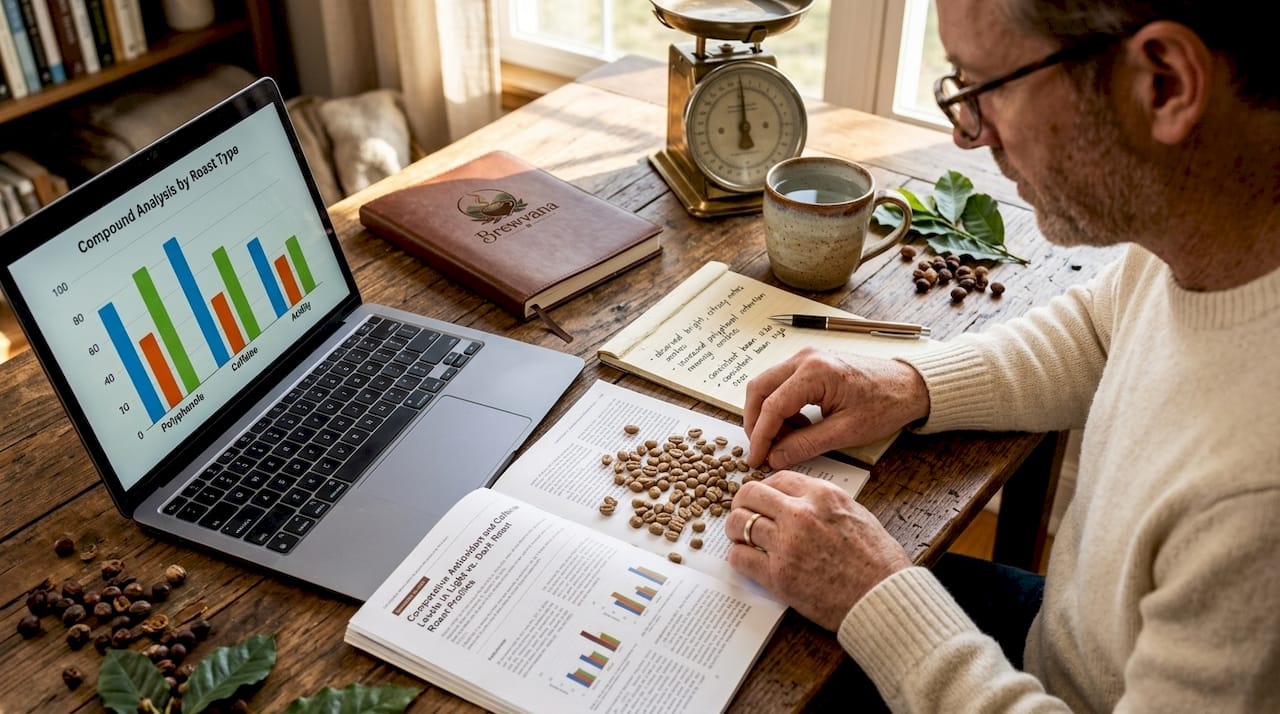
Cardiovascular benefits are also well-documented. Regular coffee drinkers show lower rates of heart disease in population studies, and the polyphenol content in light roast is the most likely driver. Coffee’s bioactive compounds vary in how they are metabolized depending on individual genetics and gut microbiota, which explains why some people notice stronger effects than others. The base benefit is real regardless, and light roast puts more of those compounds in your cup.
5. Trade-offs and considerations worth knowing
No roast is perfect, and the advantages of light coffee come with one honest caveat. Acrylamide levels can be higher in light roasts because the compound forms during the Maillard reaction and begins to degrade only at the higher temperatures used in dark roasting. This means darker roasts actually contain less acrylamide, not more.
How much should this concern you? Acrylamide is present in many common foods, including toast, french fries, and crackers. The amounts in coffee are not considered a significant risk at normal consumption levels by most food safety agencies. Still, it is a real trade-off between maximum antioxidant content and minimal acrylamide exposure.
Here is a quick comparison to keep in mind:
| Factor | Light roast | Dark roast |
|---|---|---|
| Chlorogenic acids | High (60 to 70% retained) | Low (10 to 15% retained) |
| Caffeine per tablespoon | Higher | Lower |
| Acrylamide content | Higher | Lower |
| Flavor complexity | Origin-forward, bright | Roast-forward, bitter |
| Stomach sensitivity | May affect sensitive individuals | Generally smoother |
Other considerations for light roast drinkers:
- People with acid reflux or sensitive stomachs may find the organic acids in light roast more irritating than dark roast
- Cold brew with light roast beans reduces perceived acidity significantly while keeping caffeine high
- Unfiltered brewing methods like French press add diterpenes that can affect cholesterol levels regardless of roast
6. How to choose the best light roast for your goals
Not every bag labeled “light roast” is created equal. The bean origin, species, and processing method all shape what ends up in your cup. Arabica beans are the standard for light roast because they have the natural sweetness and complexity that light roasting highlights. Robusta beans tend to be harsher and are better suited to darker roast profiles that mellow their intensity.
When shopping for light roast, prioritize single-origin options from regions known for bright, fruit-forward profiles. Latin American coffees, particularly from Mexico, Colombia, and Ethiopia, are consistent performers at light roast levels. They offer the floral and citrus notes that make light roast worth exploring.
Brewing method matters as much as bean selection. Hot filtered brewing like pour-over or drip coffee maximizes antioxidant extraction while limiting diterpenes that can affect cholesterol. This makes a paper-filtered pour-over one of the healthiest ways to brew light roast coffee.
Practical selection tips:
- Look for roast dates within the past two to four weeks for peak freshness and antioxidant potency
- Choose 100% Arabica beans for the cleanest expression of light roast character
- Start with sample packs to compare origins before committing to a full bag
- Consider single-origin pods if consistency matters more than brewing flexibility
My honest take on light roast coffee
I’ll admit something. I spent years dismissing light roast as something ordered by people who didn’t really like coffee. I was wrong, and the research made me reconsider everything.
What changed my thinking wasn’t just the antioxidant data, though that is genuinely compelling. It was tasting a well-sourced Ethiopia light roast brewed as a pour-over. There was nothing weak or timid about it. It was complex in a way that dark roast rarely achieves, because the origin character was intact and the roast hadn’t burned over the top of everything interesting.
The misconception I hear most often is that darker means stronger or healthier. In reality, is light roast coffee healthier? In terms of antioxidant load and caffeine content by volume, yes, for most people. The acrylamide trade-off is real but overstated given normal consumption patterns. And for flavor, light roast is where the most interesting coffee actually lives.
My practical advice: stop treating roast level as a preference and start treating it as a tool. If you want maximum health benefit from your morning cup, light roast gives you that more reliably than any other option. If you want to actually taste the difference between a coffee from Mexico and one from Ethiopia, light roast is the only roast that lets you do that.
Experiment. Brew a single-origin light roast using filtered water and a paper filter. Then decide.
— Kimberly
Explore Brewvana’s light roast collection
If you’re ready to experience these benefits firsthand, Brewvana makes it easy to find the right light roast without guessing.
The Mexico Coffee Pods from Brewvana deliver a clean, single-origin light roast with bright notes and excellent antioxidant potential. All beans are roasted to order, so you get maximum freshness from the first cup. If you want to explore more options, Brewvana’s Latin American Blend offers a balanced profile that suits both health-focused drinkers and flavor seekers. And if you’re still figuring out your preferences, the sample packs let you try multiple roasts and origins without committing to a full bag. Every purchase also supports local schools through Brewvana’s community giving program.
FAQ
Does light roast coffee have more caffeine than dark roast?
Yes. Light roast retains more caffeine per bean by weight because extended roasting drives off more caffeine in darker profiles. When measured by scoop rather than by weight, light roast consistently delivers more caffeine per serving.
What antioxidants are in light roast coffee?
Light roast coffee is high in chlorogenic acids, the primary antioxidant class in coffee. Light roasting preserves 60 to 70% of these compounds, compared to as little as 10% in dark roasts, making light roast significantly richer in these health-supporting compounds.
Is light roast coffee better for your health?
For most people, yes. The health benefits of light roast include higher antioxidant content, more caffeine, and metabolic benefits from preserved chlorogenic acids. The one caveat is that light roast contains slightly more acrylamide than dark roast, though the amounts in normal consumption are not considered a significant health risk.
Can light roast coffee upset your stomach?
It can for some people. The organic acids preserved in light roast create its bright flavor but may irritate those with acid reflux or a sensitive stomach. Cold brewing light roast beans significantly reduces perceived acidity and is a good alternative for sensitive drinkers.
What is the best way to brew light roast coffee?
A paper-filtered pour-over is the top choice for health and flavor. It maximizes antioxidant extraction while removing diterpenes that can affect cholesterol. Use water around 200 degrees Fahrenheit and a medium-fine grind for the best results.